
The secret to ensuring your chocolates are always interesting is simple: balance and contrast.
Sometimes we shy away from bold flavors like acidity and bitterness in our recipes, but when used strategically, the results can be incredible.
A Touch of Bitterness
Imagine, for example, a caramel ganache, which is naturally sweeter.
To add more depth to it, you can make a darker caramel base by letting the sugar cook longer.
Or, if your milk ganache is missing something, replace 3% of your couverture with some bitter cacao mass.
Citric Acid in Chocolate
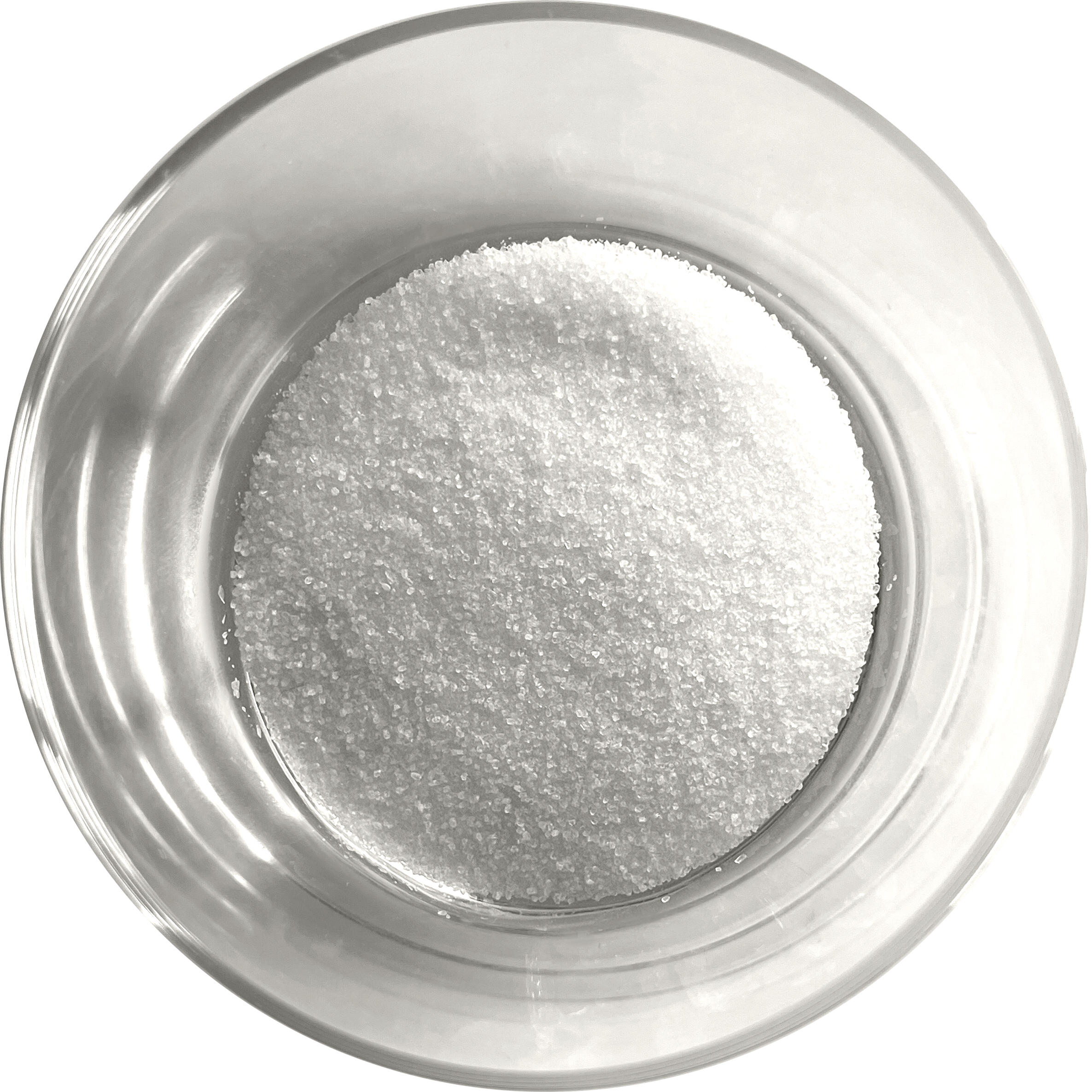
Acidity is also a great balancing flavor, and citric acid is the best way to use it in your recipes.
In addition to reducing sweetness perception, citric acid adds freshness to your fruit recipes.
Not to mention, it helps extend your products’ shelf life by lowering their pH, which also makes their colors more vibrant.
If you’ve ever made a strawberry ganache or a raspberry caramel, you know their color starts to turn grey as the fruit oxidizes during the cooking stage.
Adding a little citric acid after turning off the heat will restore the bright colors to your recipe and give it back some of its refreshing fruit tartness.
So remember, a chocolate that only tastes sweet falls flat after a few bites.
But a bonbon with a combination of acidity, sweetness, and bitterness feels so fresh with each bite that you want to keep eating it.
Consider this your invitation to start experimenting with these sweetness-balancing flavors more!
-Melissa