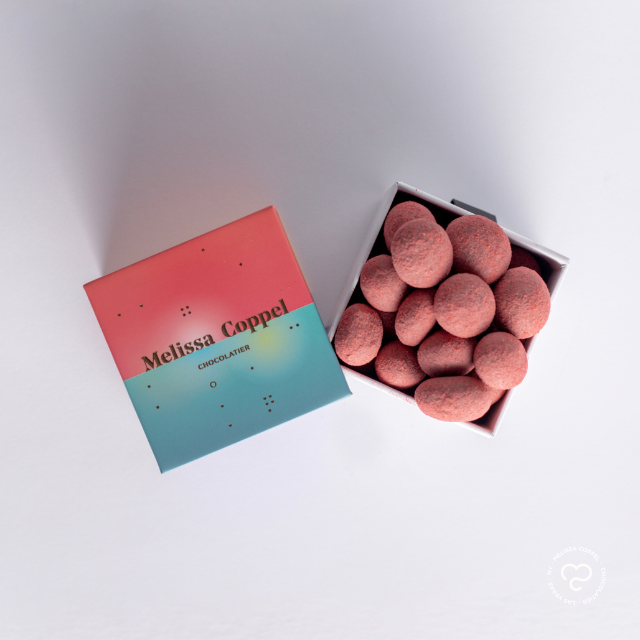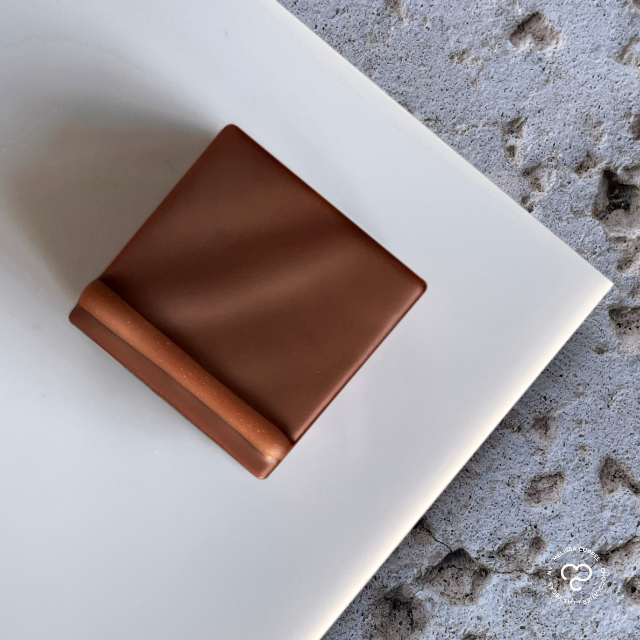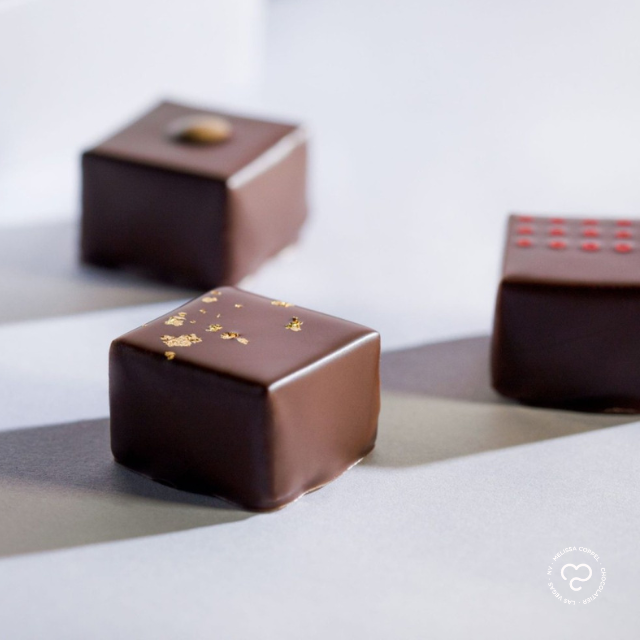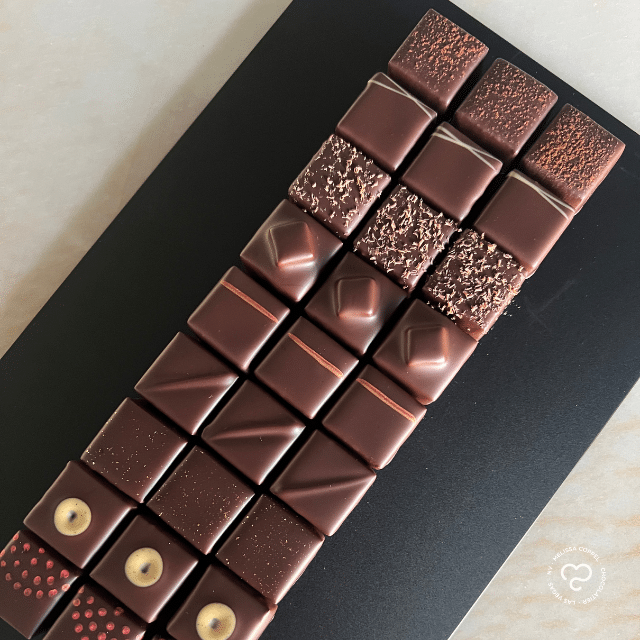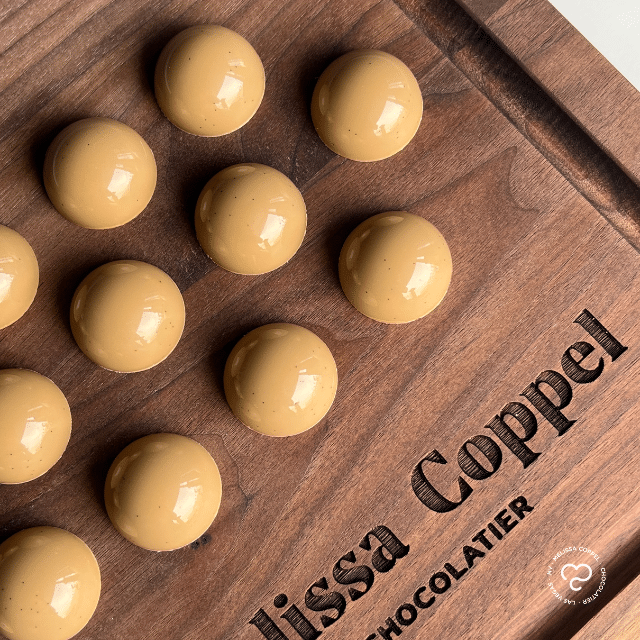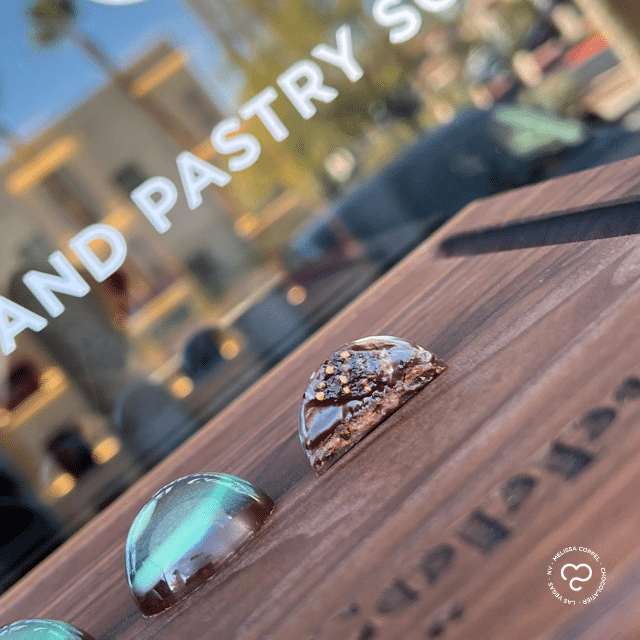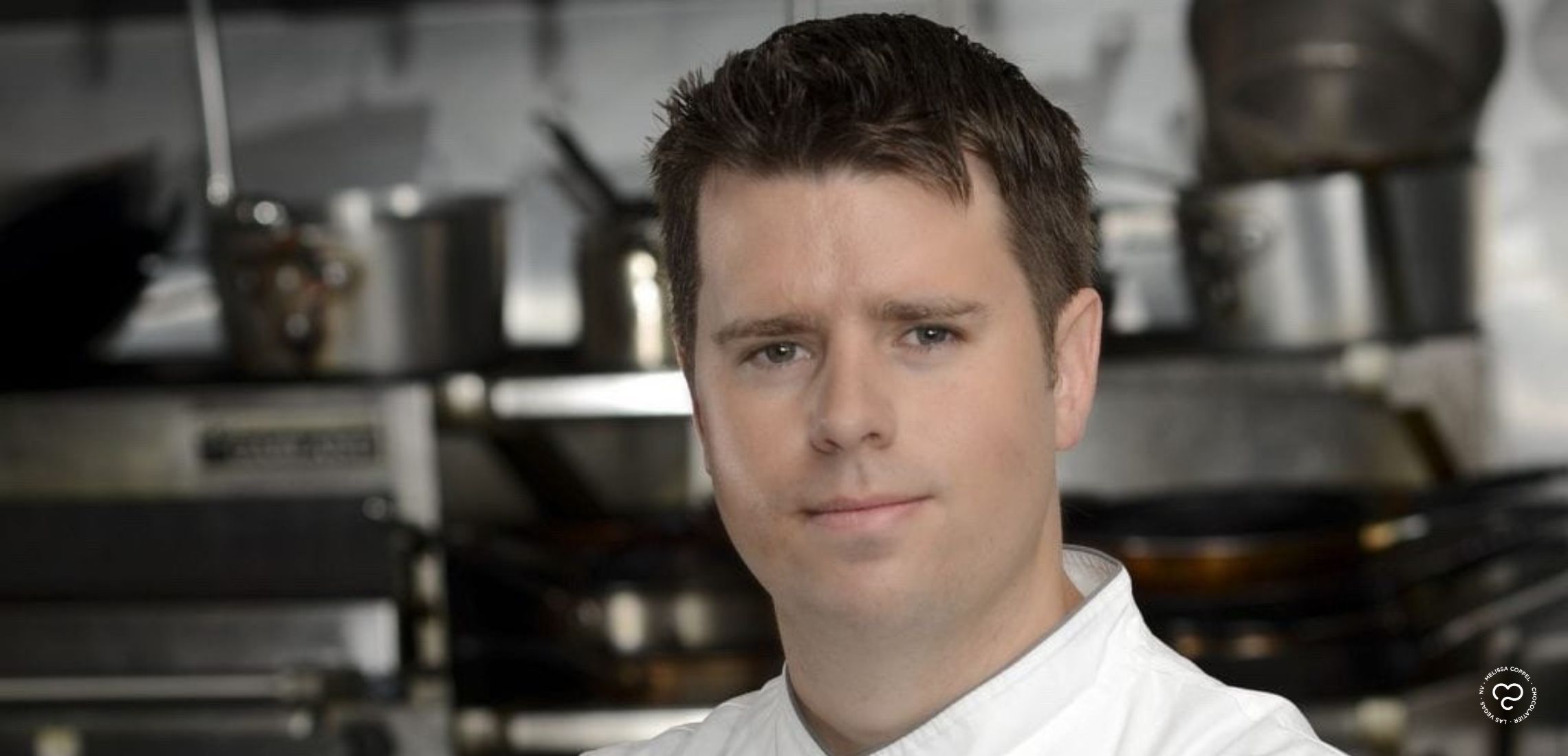
Reduce Food Waste in Pastry is no longer just an ethical choice; it is a critical strategy for increasing bakery profitability. In this 2-hour specialized masterclass, Chef Melissa Coppel teaches you how to look at “scraps” as high-value assets. Joining this Reduce Food Waste in Pastry program means mastering the technical systems to repurpose over-production or leftovers — such as broken ganaches, excess caramel, or duja — and transforming them into stunning, gourmet confections that maintain the highest quality standards.
Designed for pastry chefs and business owners, this course focuses on “Ingredient Re-stabilization.” You will learn the systems to Reduce Food Waste in Pastry by analyzing the water activity and fat content of your leftovers, ensuring that your new creations are not only delicious but also shelf-stable and safe for sale.
Every gram of wasted chocolate is lost profit. This module explores the financial impact of learning to Reduce Food Waste in Pastry. Chef Coppel guides you through the creative process of “Upcycling” ingredients. We explore how a failed batch or a surplus of fillings can become the base for a new signature product, allowing you to recover costs while offering something unique to your customers.
The Reduce Food Waste in Pastry curriculum covers the science of mixing textures, showing you how to incorporate pre-cooked components into fresh batters or chocolate masses without compromising the final emulsion.
Technical skill is the core of sustainability. This section provides specific workflows for the most common pastry leftovers. You will learn to Reduce Food Waste in Pastry by mastering the techniques for melting, re-tempering, and flavoring existing mixtures.
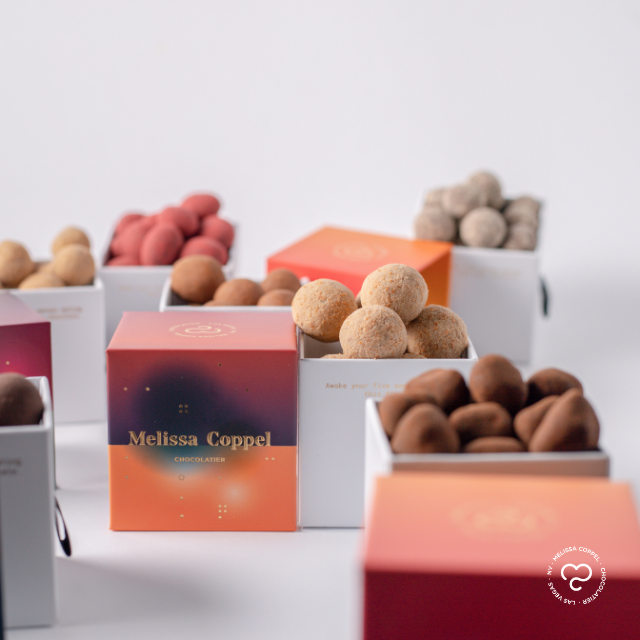
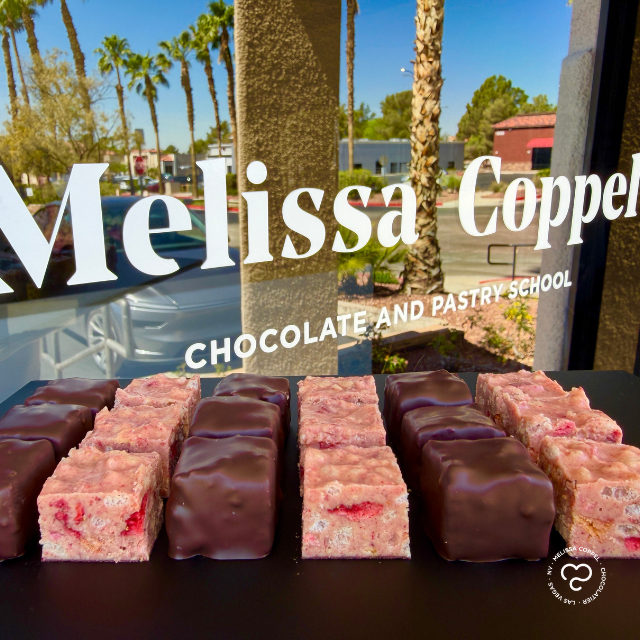
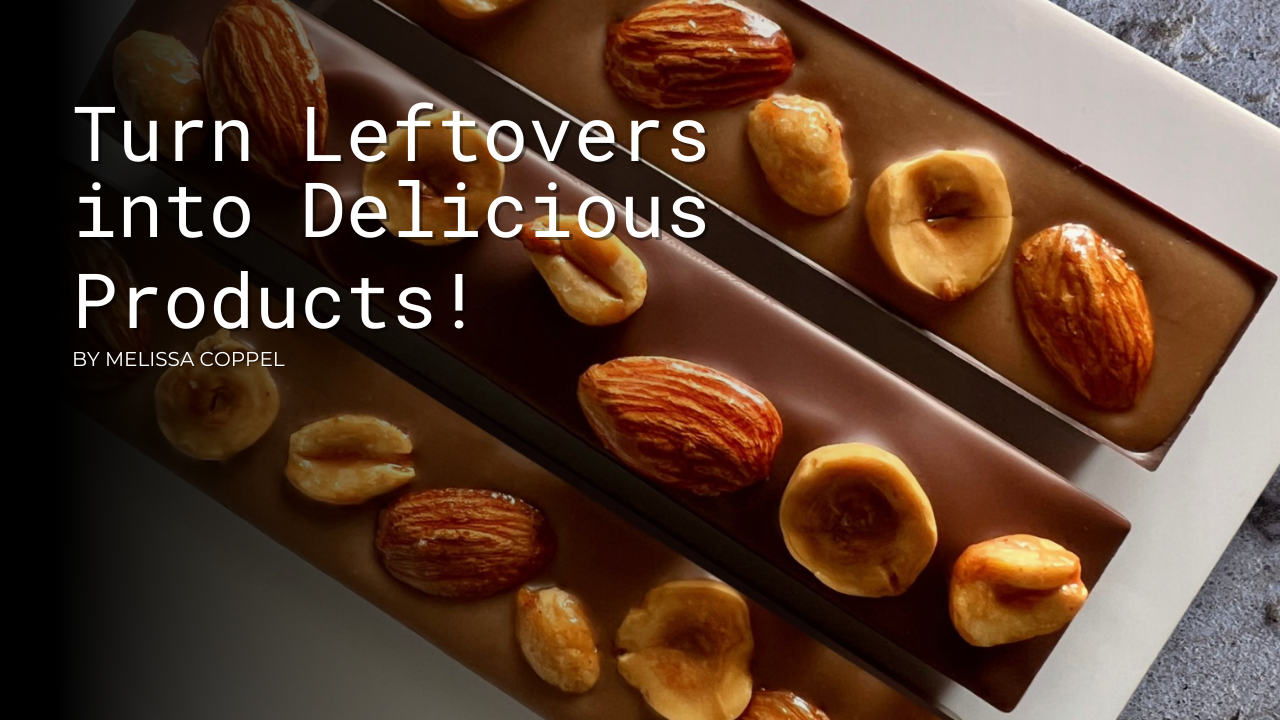
From creating “Mystery Boxes” of assorted truffles to developing a “House Blend” candy bar, this class proves that zero-waste production can be a hotbed for innovation. By the end of this tutorial, you will possess a toolkit of recipes and methods to Reduce Food Waste in Pastry, cutting your food costs and embracing a more sustainable, creative production cycle.
What is included in the class?
Recommendations and rules:




CHEF COURSES