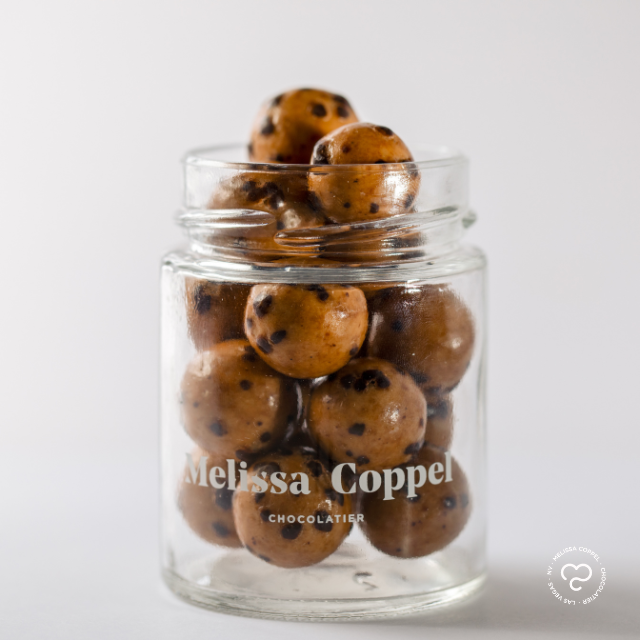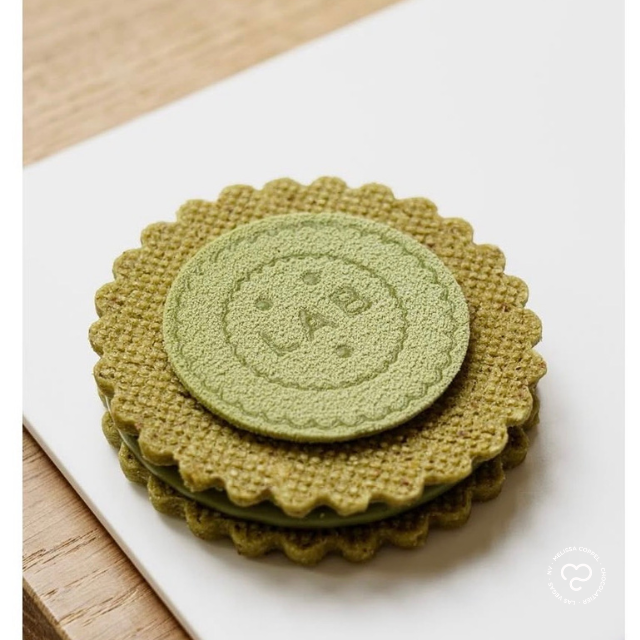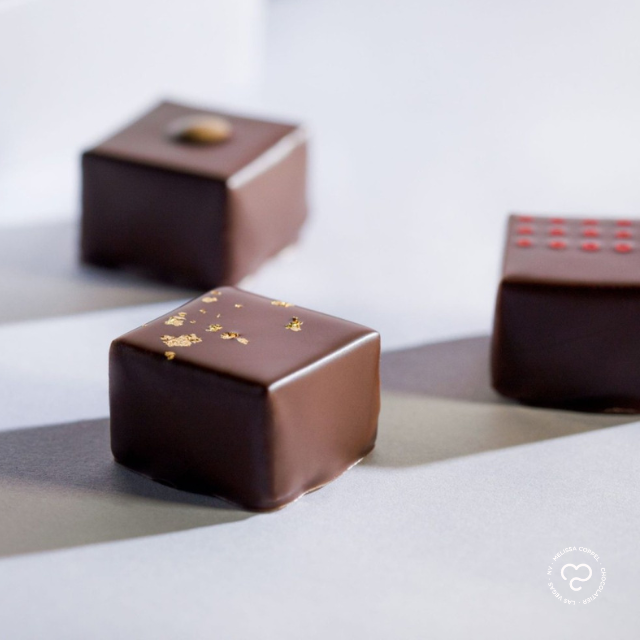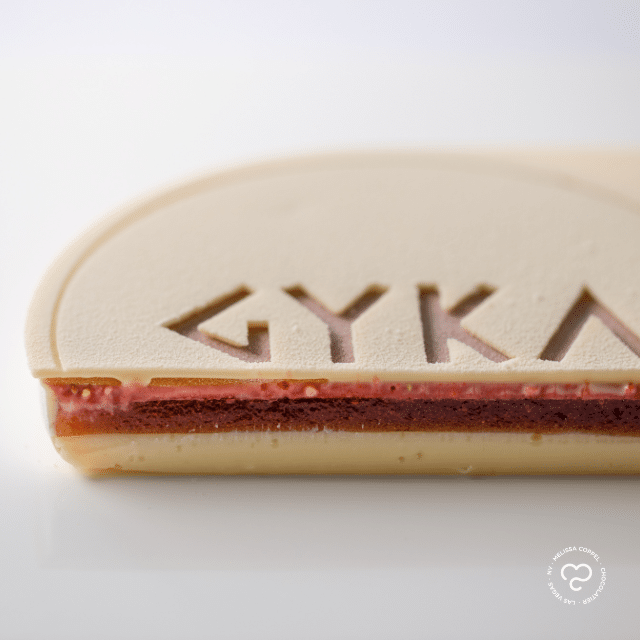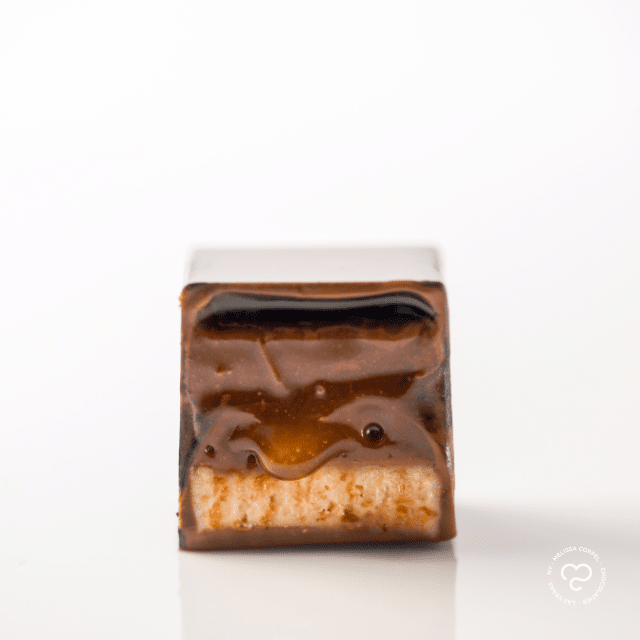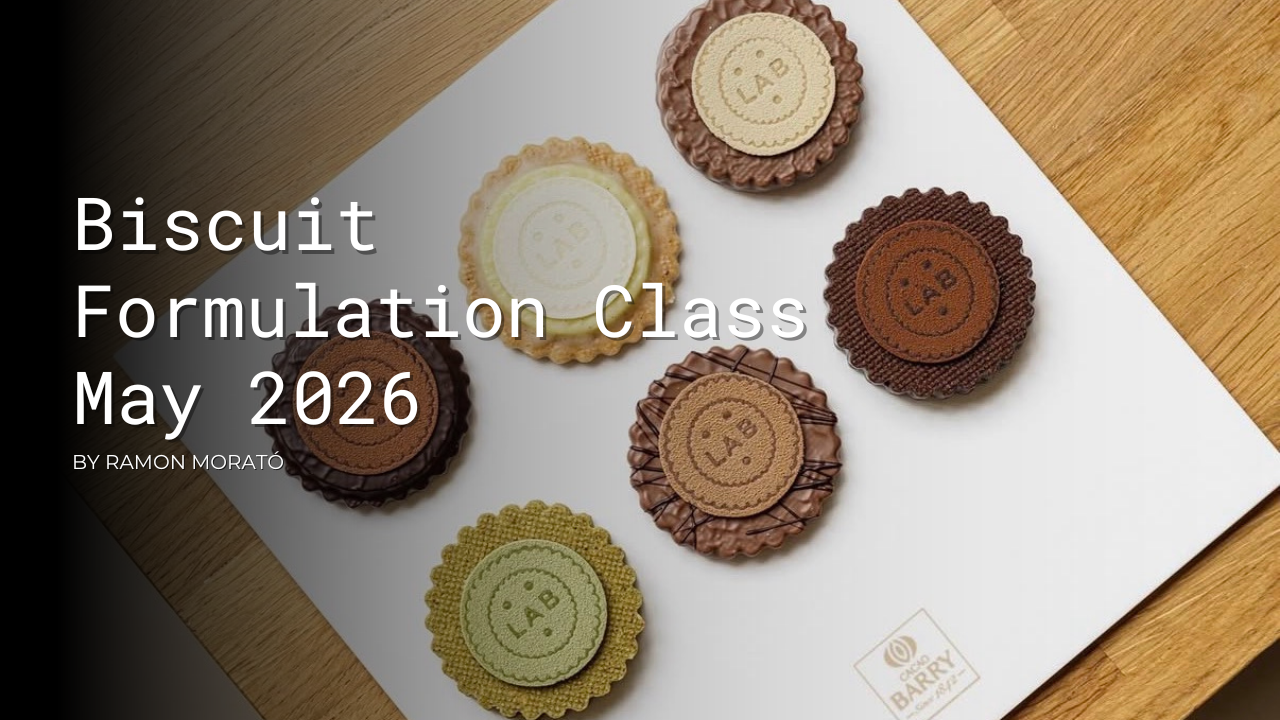
The intention is simple: to better understand how biscuits are built. Rather than focusing on execution, the session explores the logic behind formulation, ingredient functionality, and process decisions.
During the course, you will review:
• The main biscuit families and their characteristics.
• The functional role of key ingredient groups.
• How proportions influence texture, color, flavor, and structure.
• The relationship between process variables and final quality.
• Basic considerations for finishing and storage.
This is a fully theoretical session designed to strengthen understanding and analytical thinking. The objective is not to provide ready-made solutions, but to offer clearer criteria when working with biscuit or cookie formulations.
⸻
Target Audience
This session is intended for pastry chefs, chocolatiers, and dessert professionals who are curious to deepen their technical understanding of biscuits.
Although biscuits are often perceived as simple products, their structure depends on precise interactions between flours, fats, sugars, liquids, and leavening systems. These relationships are not always analyzed in depth.
The aim of this course is to bring structure and clarity to those interactions, offering a more conscious and controlled way of interpreting biscuit formulas.
Enroll today!
1. Defining the Biscuit
The session begins with a simple question: what defines a biscuit?
This introduction includes:
• A brief historical overview and evolution of biscuits
• A concise look at the current market context
• Consumption moments and general category trends
This section provides context before moving into technical analysis.
⸻
2. Classification by Dough Structure
Biscuits will be classified according to the texture and structure of the dough before baking, including:
• Liquid batters
• Aerated systems
• Solid or short doughs
• Other structural variations
This classification helps frame biscuits as structured systems rather than isolated recipes.
⸻
3. A Reference Model: The Sablé Approach
To allow for a focused and practical analysis, the session is built around one reference model: a sablé-type biscuit.
Using this base formula, we examine the impact of the main structural pillars:
• Flours and starch alternatives
• Fats and shortening systems
• Sugars
• Liquids
• Chemical leavening agents
Through comparative reasoning and controlled variations, we explore how adjustments within each ingredient family influence:
• Texture
• Color
• Flavor
• Functional balance
The emphasis is placed on understanding cause-and-effect relationships within the formulation.
⸻
4. Process, Finishing, and Preservation
In addition to ingredients, the session also addresses:
• Mixing and dough handling considerations
• Equipment influence
• Chocolate coating compatibility
• Storage and texture stability
Process decisions are considered part of structural control, not secondary elements.
What is included in the class?
Recommendations and rules:



CHEF COURSES